Best Filter Coffee: How to Spot Good Beans
There’s no single best filter coffee, but there are clear signs that tell you a bean is good. This guide shows you which details on the bag matter, what tests actually measure and how to find your own favorite.
What makes a good filter coffee
Filter coffee is a gentle, clean brewing method. The paper holds back oils and sediment, and what’s left in the cup shows the coffee pretty much unvarnished: acidity, sweetness, fruit, but also flaws like woodiness, mustiness or stale, flat aromas. That’s why the bean matters more in filter coffee than in drinks with milk or lots of sugar.
Good filter coffee usually tastes clean, with a pleasant rather than piercing acidity, noticeable sweetness and a finish that doesn’t turn dry or scratchy. Whether you prefer bright and fruity or round and chocolatey is a matter of taste. But the quality markers behind them are the same either way.
Roast date, not best-before date
The most important detail on the bag is the roast date. Coffee doesn’t suddenly spoil after roasting, but its aromas fade over time. The best-before date tells you little about this: it’s often a year or more after roasting, and it doesn’t tell you when the coffee was actually roasted.
As a rule of thumb, whole beans for filter taste most expressive from about one week after roasting until around six to eight weeks after. Very freshly roasted coffee is still releasing a lot of CO₂, which can make extraction erratic. Light roasts often need a little longer to rest than dark ones. If there’s no roast date at all, that’s a clear sign freshness isn’t a big priority for the seller.
Roast level: light to medium for filter
Light to medium roasts are the best fit for filter coffee. They let the bean’s characteristics come through: you can taste origin, variety and processing much more clearly in a light roast than in a dark one, where roast flavors cover everything up. Dark roasts aren’t off-limits, but in a filter they quickly taste bitter, smoky and one-dimensional.
- Light: lively acidity, floral or fruity notes, light body. Needs hotter water and a grind that isn’t too coarse.
- Medium: balanced between acidity and sweetness, often with notes of caramel, nuts or stone fruit. Forgives small brewing mistakes.
- Dark: little acidity, lots of roasty bitterness, often an oily surface. Not well suited to filter.
Origin, processing and flavor
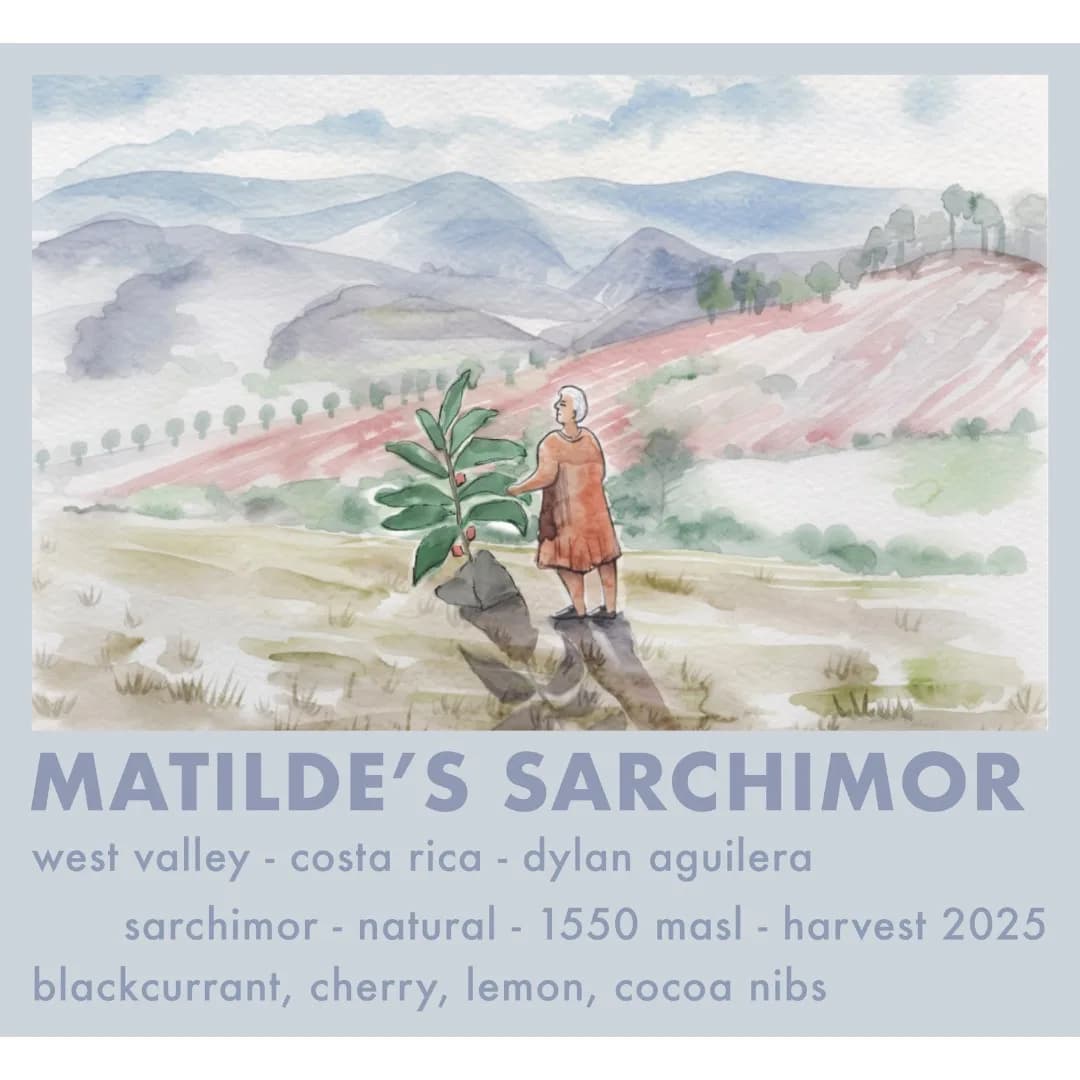
Origin and processing have a big influence on flavor. The more detailed the information, the better you can judge what to expect. Good bags list not just the country but the region, farm or cooperative, variety, growing altitude and processing method.
- Washed: the fruit is removed before drying. The result is usually clean and clear with precise acidity. A great entry point into light filter coffee.
- Natural (dry-processed): the whole cherry dries intact. This brings intense fruit, often berry or wine notes, and more body, but can also come across as wild or fermented.
- Honey: a middle way where some of the fruit stays on the bean. Sweetness and a rounder mouthfeel are typical.
As a rough guide, coffees from East Africa are often seen as fruity and bright, while coffees from Central and South America lean round, nutty and chocolatey. These are tendencies, not rules: variety, altitude and processing can shift the picture considerably.
Arabica and Robusta
Arabica is almost always recommended for filter coffee. Arabica grows at higher altitudes, ripens more slowly and brings more acidity, sweetness and aromatic complexity. Robusta contains about twice as much caffeine, tastes stronger, earthier and more bitter, and is mainly used in espresso blends and cheap coffee.
That said, a 100% Arabica label on its own is no proof of quality. Arabica can also be stale, defective or roasted too dark. It’s a baseline requirement, nothing more.
Reading the label
This overview shows which details on a coffee bag actually help you:
| Label detail | What it tells you |
|---|---|
| Roast date | How fresh the coffee is. The most important detail for filter coffee. |
| Best-before date | Until when the coffee is safe to drink. Says almost nothing about freshness or flavor. |
| Roast level or filter roast | Whether the bean is meant for filter. Light to medium is usually ideal. |
| Country, region, farm | How transparent the supply chain is. The more specific, the easier it is to trace. |
| Processing | Rough flavor direction: washed tends to be clean, natural fruity, honey sweet and round. |
| Growing altitude | Higher altitudes often mean slower ripening and more acidity and complexity. |
| Tasting notes | How the roaster describes the cup. A pointer, not a promise. |
Whole bean or ground?
If flavor is what you’re after, buy whole beans and grind right before brewing. Grinding hugely increases the coffee’s surface area, and volatile aromas escape quickly. Ground coffee noticeably loses its aroma within minutes to hours, and after a few days it tastes much flatter.
Ground coffee also has a fixed grind size that may not suit your brewing method. With whole beans, you can adjust the grind to your pour-over, machine or French press. Our guide to the best grinder for filter coffee explains which grinder works well. If you don’t have a grinder, have the coffee freshly ground to suit your method when you buy it, and buy smaller amounts.
Storing it properly
- Airtight: seal the original bag with its valve tightly or transfer the beans to an airtight container.
- Dark: light speeds up aroma loss. Clear glass jars aren’t ideal.
- Cool, but not in the fridge: there, coffee absorbs odors and moisture, and condensation forms when you take it out.
- Freezing works: freeze larger amounts in airtight portions and thaw each portion only once.
- Buy the right amount: better a bag you’ll finish in two to four weeks than a supply for months.
Supermarket coffee or specialty coffee
Supermarket coffee is usually designed for long shelf life, consistent flavor and a low price. It’s often a blend of many origins, sometimes with Robusta, roasted on the darker side and with a long gap between roasting and sale.
Specialty coffee means coffee that scores at least 80 out of 100 points in a standardized cupping according to the criteria of the Specialty Coffee Association. In practice, that means traceable origin, careful harvesting and processing, and a fresh, usually lighter roast. The price is higher, but you can clearly taste the differences between origins. You’ll find specialty beans for pour-over in our selection of filter coffee beans, for example.
Filter coffee tests: what they measure
If you search for the best filter coffee, you’ll quickly come across tests and test winners. These tests are useful for spotting major flaws. They typically look at the following:
- The sensory verdict of a tasting panel based on fixed criteria, such as aroma, acidity, bitterness and off-notes
- Contaminants such as acrylamide, mycotoxins, pesticide residues or mineral oil components
- Accuracy and completeness of the information on the packaging
- In some cases packaging, aroma protection and information on origin and growing conditions
What tests can’t do is predict your taste. A panel judges whether a coffee is free of defects and balanced, not whether you prefer fruity or chocolatey cups. Large comparisons also mostly test supermarket coffee, so small roasters with changing harvests fall through the cracks. Use tests to rule out flaws; let your own palate make the decision.
How to find your best filter coffee
The fastest way to learn is by comparing. Brew two coffees side by side with the same dose, grind size and temperature, for example a washed and a natural. Write down what you taste.
If a good coffee still tastes sour or bitter to you, it’s often the brewing, not the bean. Then it’s worth looking at grind size and brew ratio. If you want to sharpen your sense of flavor systematically, you can practice in the sensory course at the Rocademy in our café in Munich’s Maxvorstadt.
Frequently asked questions
Which filter coffee is the best?
That depends on your taste. Good filter coffees have a recent roast date, a light to medium roast and traceable origin, and are made from Arabica. Whether you prefer fruity or chocolatey is best found out by comparing them side by side.
Are whole beans better than ground coffee?
Yes, for flavor they are. Whole beans keep their aromas much longer, and you can adjust the grind size to your brewing method. Ground coffee quickly loses its aroma once opened.
How long is filter coffee good after roasting?
As a rule of thumb, whole beans taste best from about one week to around six to eight weeks after roasting. After that, the coffee hasn’t gone bad, but it tastes flatter.
Which roast level suits filter coffee?
Light to medium roasts. They show acidity, sweetness and origin flavors. Dark roasts quickly taste bitter and monotonous in a paper filter.
What do washed and natural mean on the bag?
They describe how the coffee was processed after harvest. Washed coffees usually taste clean and clear, naturals fruitier with more body. Honey sits in between.