Is Filter Coffee Healthier? Paper Filters Make the Difference
Filter coffee differs from other brewing methods in one way that can matter for your blood lipid levels: the paper filter holds back certain coffee oils. Here’s what the research says about it, and what it doesn’t.
Cafestol and kahweol: the diterpenes in coffee
Coffee beans contain fat-soluble compounds called diterpenes, mainly cafestol and kahweol. According to a review by Urgert and Katan in the Annual Review of Nutrition, they make up about one percent of the bean’s weight. During brewing, they pass into the hot water along with the coffee oils.
These two compounds are considered the factor through which coffee can raise cholesterol levels. In controlled studies, regular consumption of larger amounts of unfiltered coffee increased both total and LDL cholesterol. Cafestol has a much stronger effect than kahweol. Caffeine plays no part in this: decaf coffee contains diterpenes too.
What the paper filter holds back
The key point: diterpenes are dissolved by hot water, but a paper filter retains most of them. The review by Urgert and Katan uses this to explain why filtered coffee had no relevant effect on cholesterol in the studies, while boiled Scandinavian coffee, French press and Turkish coffee did.
The Harvard T.H. Chan School of Public Health also notes in its overview on coffee that unfiltered coffee such as French press or Turkish coffee contains diterpenes that can raise LDL cholesterol and triglycerides, while filtered coffee contains almost none.
| Brewing method | Filter | Diterpenes in the cup |
|---|---|---|
| Pour-over, drip machine | Paper | very little |
| Instant coffee | industrially processed | very little |
| Espresso, espresso machine, bean-to-cup | Metal basket | present, but limited per cup due to the small volume |
| French press | Metal mesh | present |
| Turkish coffee, boiled coffee | none | present |
Filter coffee or espresso: which is healthier?
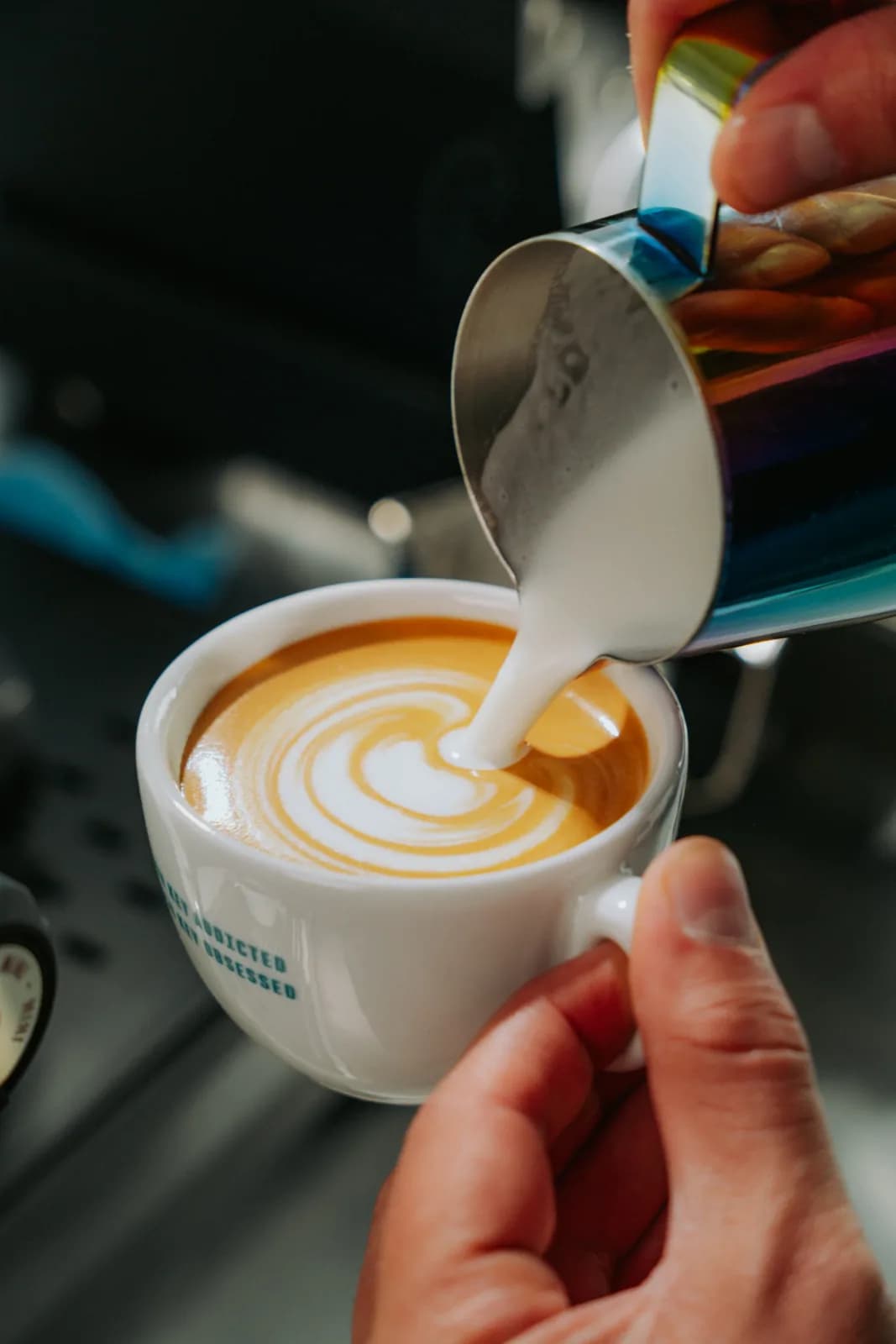
Espresso and coffee from a bean-to-cup machine don’t pass through paper but through a metal basket, so they contain diterpenes. Since an espresso cup only holds a few milliliters, the amount per serving is limited. If you drink lots of espressos or large amounts of café crème from a bean-to-cup machine, it adds up accordingly.
In a direct comparison, filter coffee is the more cautious choice when it comes to diterpenes. That doesn’t mean espresso is unhealthy. But for people with elevated LDL cholesterol, a paper filter can be a sensible, simple lever.
Is French press healthier?
No, at least not when it comes to cholesterol. The French press is an unfiltered brewing method; the metal mesh lets through the oils that give the coffee its full body. Those very oils carry the diterpenes. If you drink a lot of French press coffee and need to watch your blood lipids, talk to your doctor and keep an eye on your levels.
A practical compromise: pour your French press coffee through a paper filter as well. You lose a bit of body, but it holds back most of the oils.
What these findings don’t mean
- Filter coffee is not a remedy and doesn’t lower cholesterol. It just generally doesn’t raise it via diterpenes.
- The effect of unfiltered coffee appeared in studies with regular consumption of several cups a day, not with the occasional cup.
- Individual responses vary. If you have elevated blood lipids, discuss your brewing method with a professional.
- Other factors such as sugar, syrup or large amounts of cream in your coffee play their own role in your health.
Diterpenes aside, the same applies to filter coffee: caffeine affects people differently. During pregnancy, with heart rhythm disorders or sleep problems, a medical assessment makes more sense than any guide.
Filter coffee at home: what matters
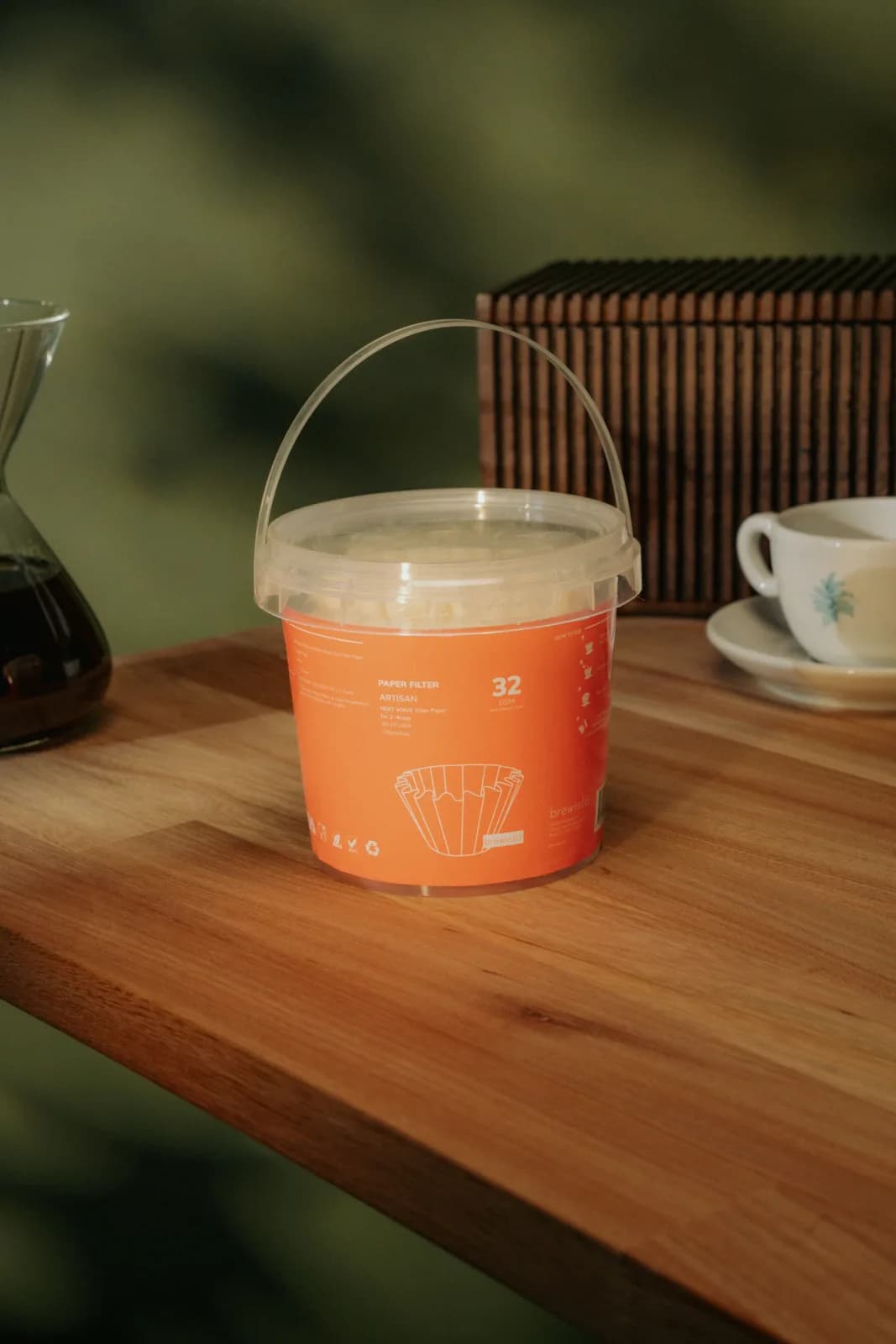
For the paper filter to do its job, you don’t need anything special, just an intact filter in the right size. For the V60, Hario filters are a good fit; for flat-bottom drippers and machines, fluted or basket filters like those from Brewista. Rinse the filter before brewing to avoid a papery taste.
If you want to avoid caffeine in the evening, El Sueño from Colombia is an option: decaffeinated using the sugar cane process and well suited to pour-over. We roast our filter coffees fresh every week in small batches and buy our green coffee directly from farmers we know well.
Sources
Frequently asked questions
Is filter coffee healthier than coffee from a bean-to-cup machine?
When it comes to cholesterol, filter coffee has an advantage: the paper filter retains most of the diterpenes cafestol and kahweol, while the metal basket in a bean-to-cup machine doesn’t. That’s not a health promise, though.
Does espresso raise cholesterol?
Espresso contains diterpenes, but relatively little per cup because of the small serving. If you drink many espressos a day, the amount adds up.
Is decaf coffee any different here?
No. Diterpenes have nothing to do with caffeine. Decaf coffee contains them too when it’s brewed unfiltered.
Does a metal filter hold back the oils?
Only a little. Reusable metal or cloth filters let more oils through than paper. For a cup as low in diterpenes as possible, a paper filter is the better choice.